Aloe vera – The "plant of immortality" and a decoration in modern homes
Aloe vera is one of the best known and most popular succulent plants, which has enjoyed unbroken popularity for thousands of years. The ancient Egyptians referred to it as the "plant of immortality," and today it is a stylish and extremely rewarding houseplant in modern homes.
The origin and history of aloe vera
Aloe vera originally comes from the Arabian Peninsula. Over the centuries, thanks to human intervention and its excellent adaptability, it has spread to almost all tropical, subtropical, and arid climates around the world. Its historical significance is evidenced by the fact that it was already highly valued in ancient times for its beneficial effects.
Characteristics and appearance of the plant
This evergreen succulent is not only useful, but also a spectacular addition to any home:
-
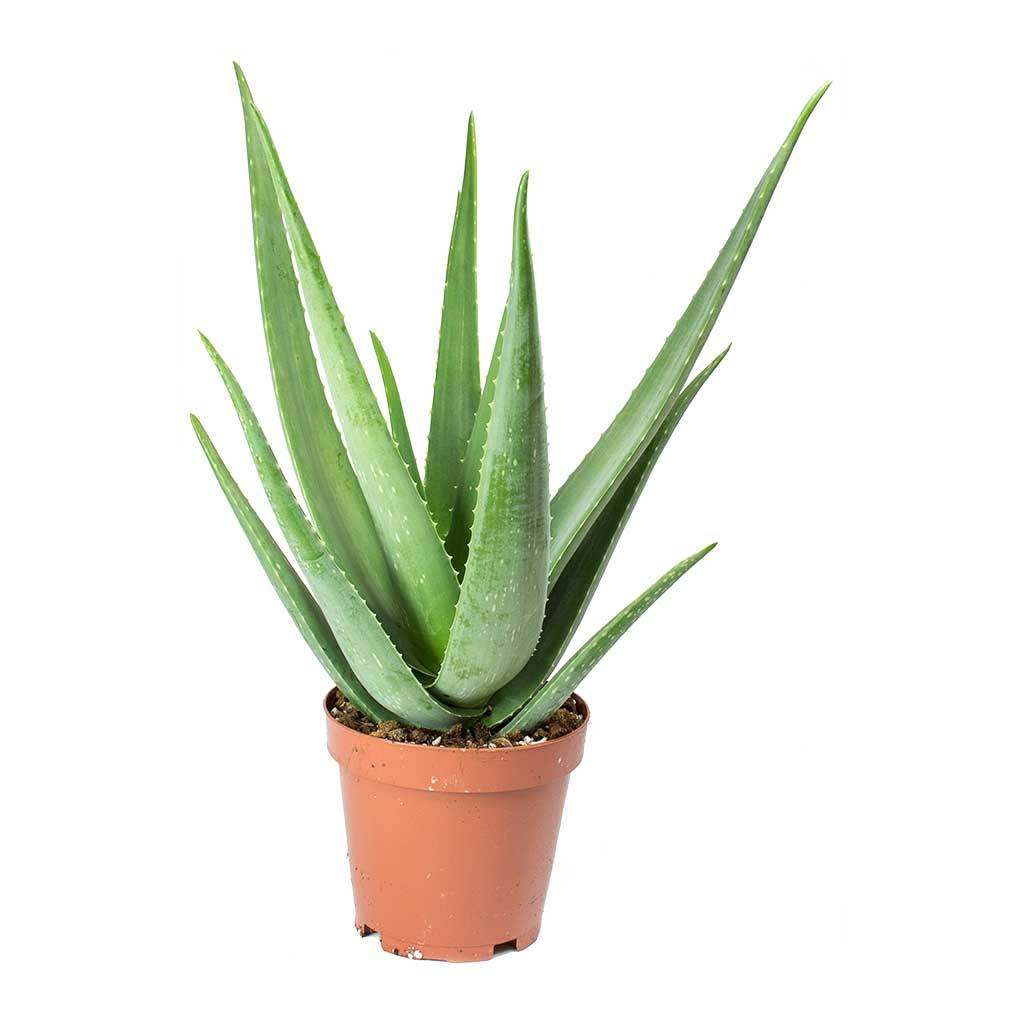
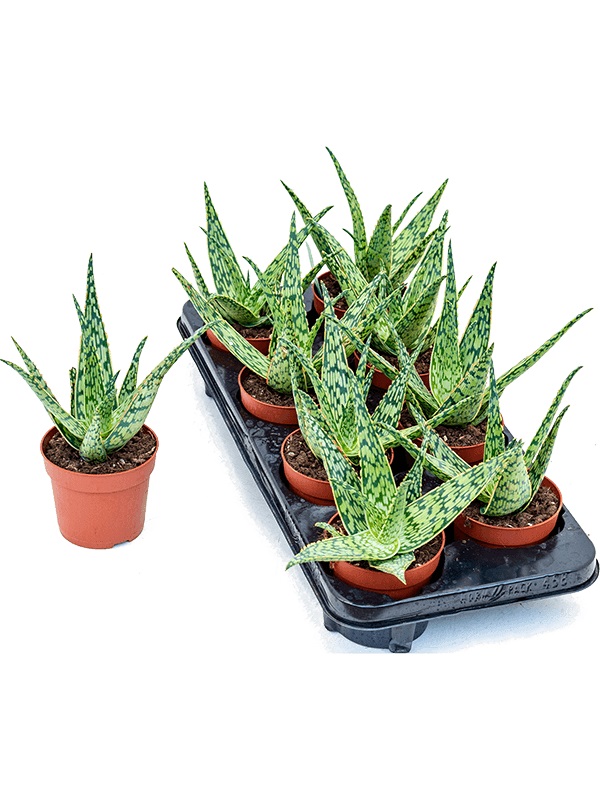
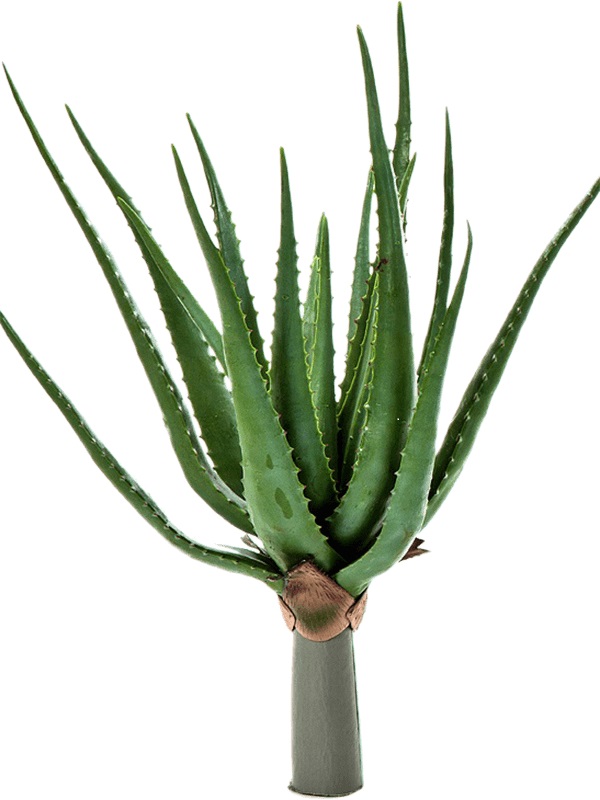
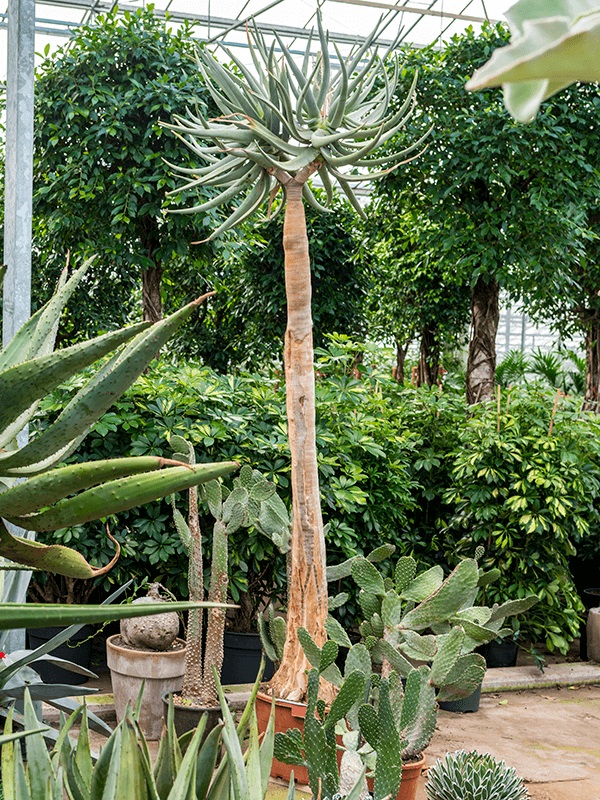
Fleshy leaves: Its spear-shaped, succulent leaves grow from a central rosette.
-
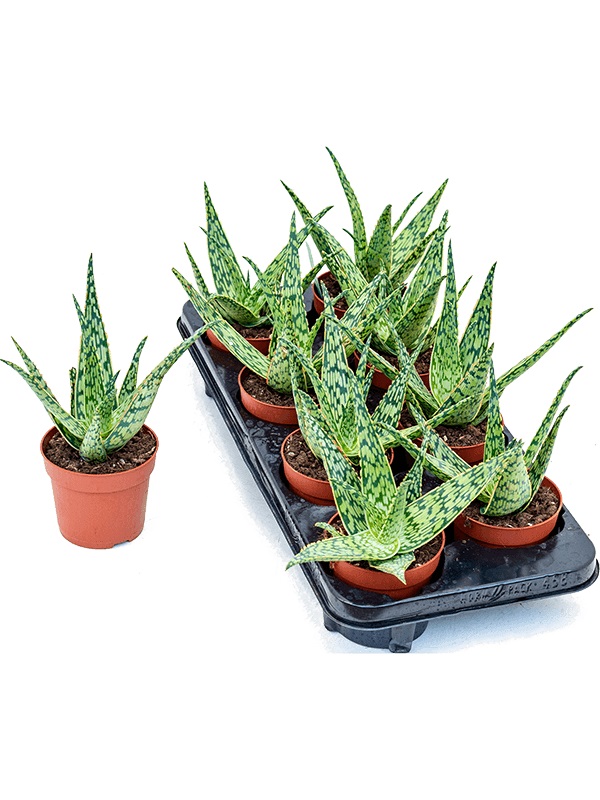
Colors: Its leaves are usually blue-green, and their surface may be decorated with tiny white dots. Interestingly, in bright sunlight, the leaves may take on a brownish or reddish hue.
-
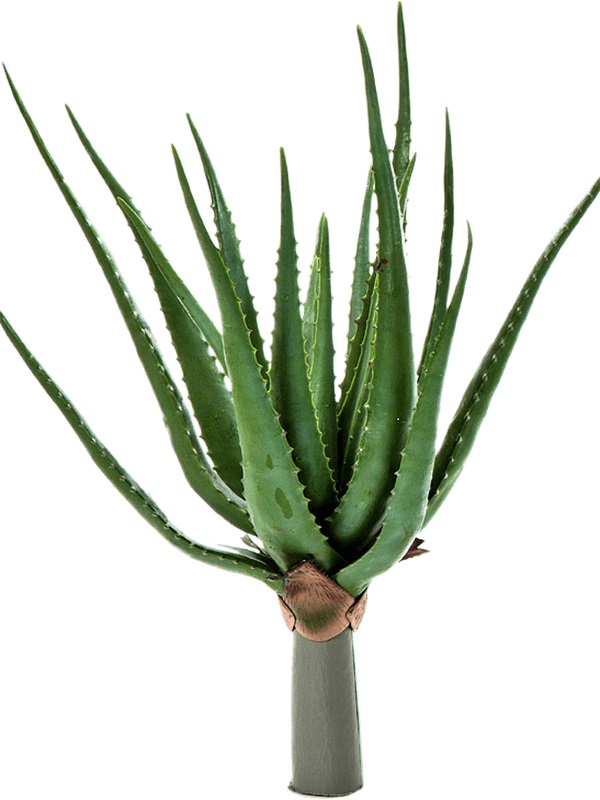
Defense system: The edges of the leaves are lined with tiny brown spines ("teeth").
-
Flowering: In the right climate, it rewards its owner with yellow flowers blooming on long stems in late spring or early summer.
Caring for aloe vera: Tips for beginner plant owners
Aloe vera has very few requirements, making it one of the easiest houseplants to care for.
Light requirements and placement
Aloe vera is a particularly light-demanding plant.
-
Ideal location: It thrives best in direct sunlight, so place it near a sunny window indoors.
-
Tolerance: It will survive in light shade, but its growth will be slower. It is important to note that it is a heat-loving plant and cannot tolerate frost at all.
Watering and soil
The most common mistake when caring for aloe vera is overwatering.
-
Less is more: water it in moderation! Allow the soil to dry out completely between waterings.
-
Drainage: It is essential to use a well-drained soil mixture to prevent root rot.
-
Since Aloe vera is a fleshy, water-storing succulent, overwintering it in Hungary requires special attention, as it cannot tolerate frost at all.
Here are the most important steps for successful overwintering:
1. When to bring it indoors?
As soon as the nighttime temperature drops below 10°C for a sustained period, it is time to bring the plant indoors. Aloe vera is sensitive to frost, and even the first light frosts can cause permanent damage to its cell structure (the leaves become waterlogged and rot).
2. The perfect indoor location
-
Light: Even in winter, find the brightest spot in your home for it. A south-facing windowsill is ideal.
-
Temperature: It can tolerate heated rooms, but if you have a bright, cooler (approx. 12-15°C) room, that is even better, as the plant will then enter a dormant state.
3. Drastically reduce watering
This is the most important rule: in winter, Aloe vera hardly needs any watering.
-
If it is in a warm room, a little water every 3-4 weeks is enough.
-
If you overwinter it in a cool place, once a month is more than enough.
-
Important: Never pour water into the center of the leaf rosette, because standing water will cause rot in no time in winter!
4. Leave it alone!
Do not feed or repot the plant in winter. The plant is dormant at this time of year, so do not force it to grow, as the lack of light will cause the shoots to become elongated, thin and weak.